Knut Alvsson and Jomfru Karine
Grefsheim in late medieval Norway
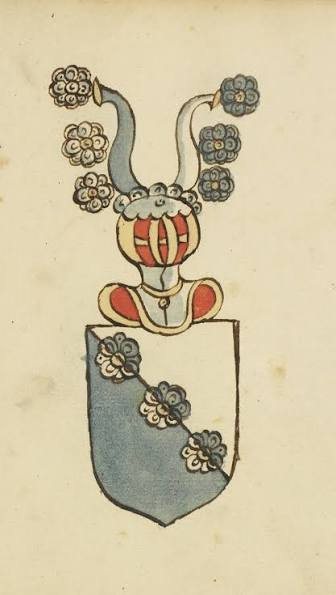
At the end of the 1400s Magnhild Oddsdatter and her husband, the knight and councillor of the realm Alv Knutsson of the Swedish noble family Tre Rosor, lived at Grefsheim.
They owned an extensive estate with farms across much of the country. Magnhild made her permanent home at Grefsheim and continued to run the estate after she was widowed.
Their son Knut Alvsson (c. 1455-1502) inherited much of the property. He became a central figure in the struggle over Norway's self-government and the growing influence of the Danish crown.
The rebellion and the killing of 1502
In 1497 Knut became commander of Akershus, but lost the post after a conflict with King Hans. Norway was at this time in union with Denmark, and there was great discontent with Danish officials. In 1501 Knut joined the rebellion against the King, with the support of Swedish magnates and Norwegian farmers. By the spring of 1502 the rebels had taken Akershus and Tønsberghus and controlled much of southern Norway.
On 18 August that year Knut met his opponent Henrik Krummedike for negotiations in Oslo. He had been promised safe conduct, but was killed aboard Krummedike's ship. Historians have debated ever since whether the killing was planned or happened in the heat of a violent quarrel.
The event came to stand as a symbol of the struggle against Danish rule. More than 300 years later Henrik Ibsen wrote in the poem På Akershus:
“the blow to Knut Alfsøn's brow
was a blow to Norway's heart.”
The crossing to the cathedral
After Knut Alvsson's death the estate was confiscated by the King, but it later returned to the family. His sister Karine Alvsdatter, known as Jomfru (Maiden) Karine, eventually held Grefsheim as owner. She was unmarried and managed a large estate. More than a hundred of the farms lay in Eastern Norway.
Karine had close ties to the Church and is said to have been particularly close to the last Catholic bishop of Hamar, Mogens Lauritssøn.
According to local tradition, the bells of Hamar Cathedral did not start ringing for Mass until Jomfru Karine had pushed off from the jetty at Grefsheim. She was rowed across Mjøsa by twelve men, and the bells are said to have kept ringing until she arrived.
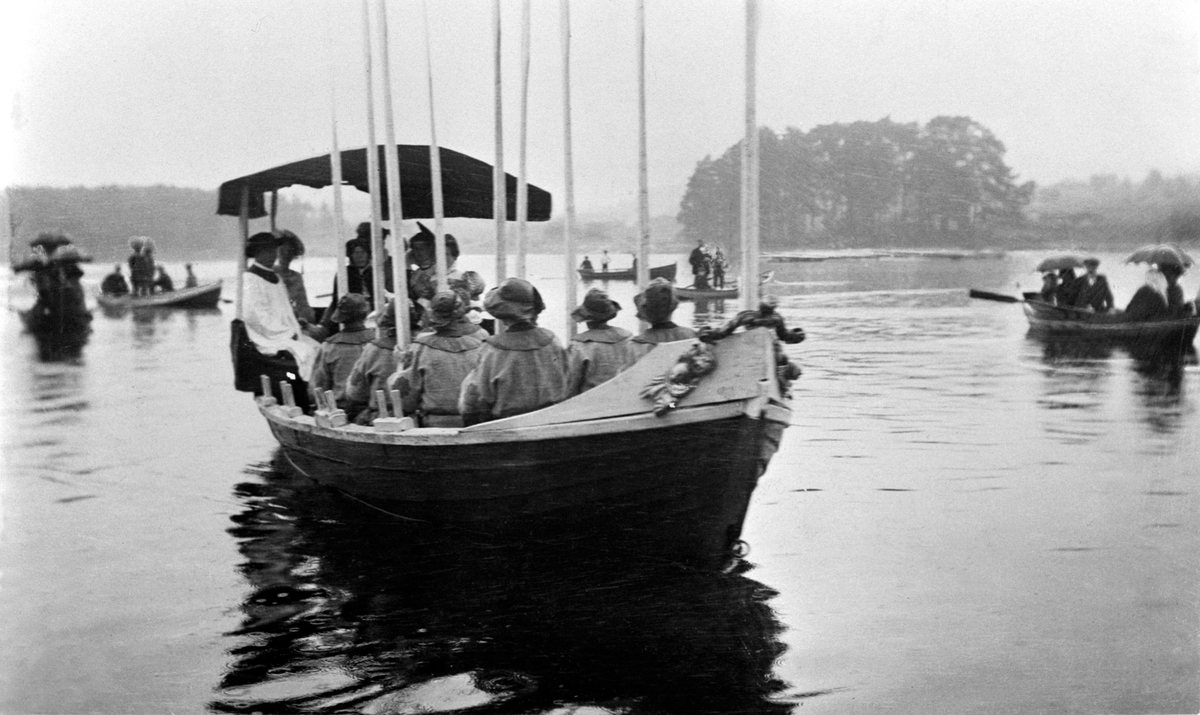
Grefsheim lies directly across the lake from Domkirkeodden, where the medieval cathedral stood. The story of Jomfru Karine's crossing has a place of its own in Hamar's history. In 1911 the journey was re-enacted in a historical pageant, with Emelie Mellbye in the role of Jomfru Karine. She also appears in the historical play En Hamarkrønike at Domkirkeodden.
From Church land to Crown land
Around Christmas 1536 Jomfru Karine lay seriously ill at Grefsheim. Shortly before she died, she issued a deed of gift leaving the farm and the extensive estate belonging to it to the Diocese of Hamar and its cathedral.
The historian Ludvig Daae later described it as one of the most significant private gifts the Norwegian Church had received.
But the Church did not keep the estate for long. The Reformation had already been introduced in Denmark, and in the summer of 1537 the Catholic Church in Hamar also lost its power. The Grefsheim estate was returned to the family and passed to Knut Alvsson's granddaughter, Gørvel Fadersdotter.
Gørvel owned one of the largest private estates in the Nordic countries. Between 1574 and 1599 she transferred her Norwegian properties to the Danish king, partly in exchange for land in Scania. Grefsheim thus became Crown land.
The farm that had been home to Magnhild Oddsdatter and Jomfru Karine now belonged to the Danish king.