The farm · Farming today
The farm
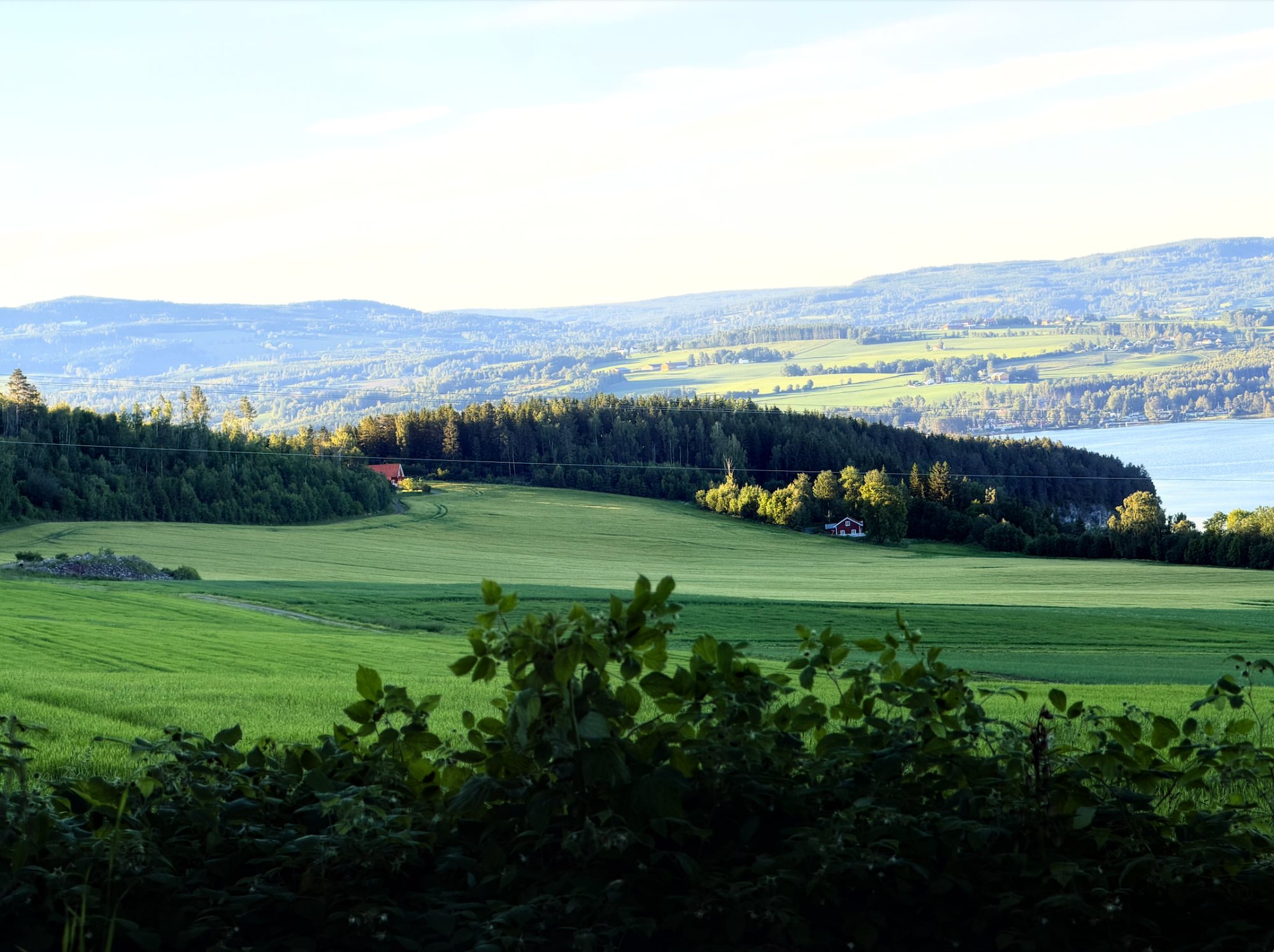
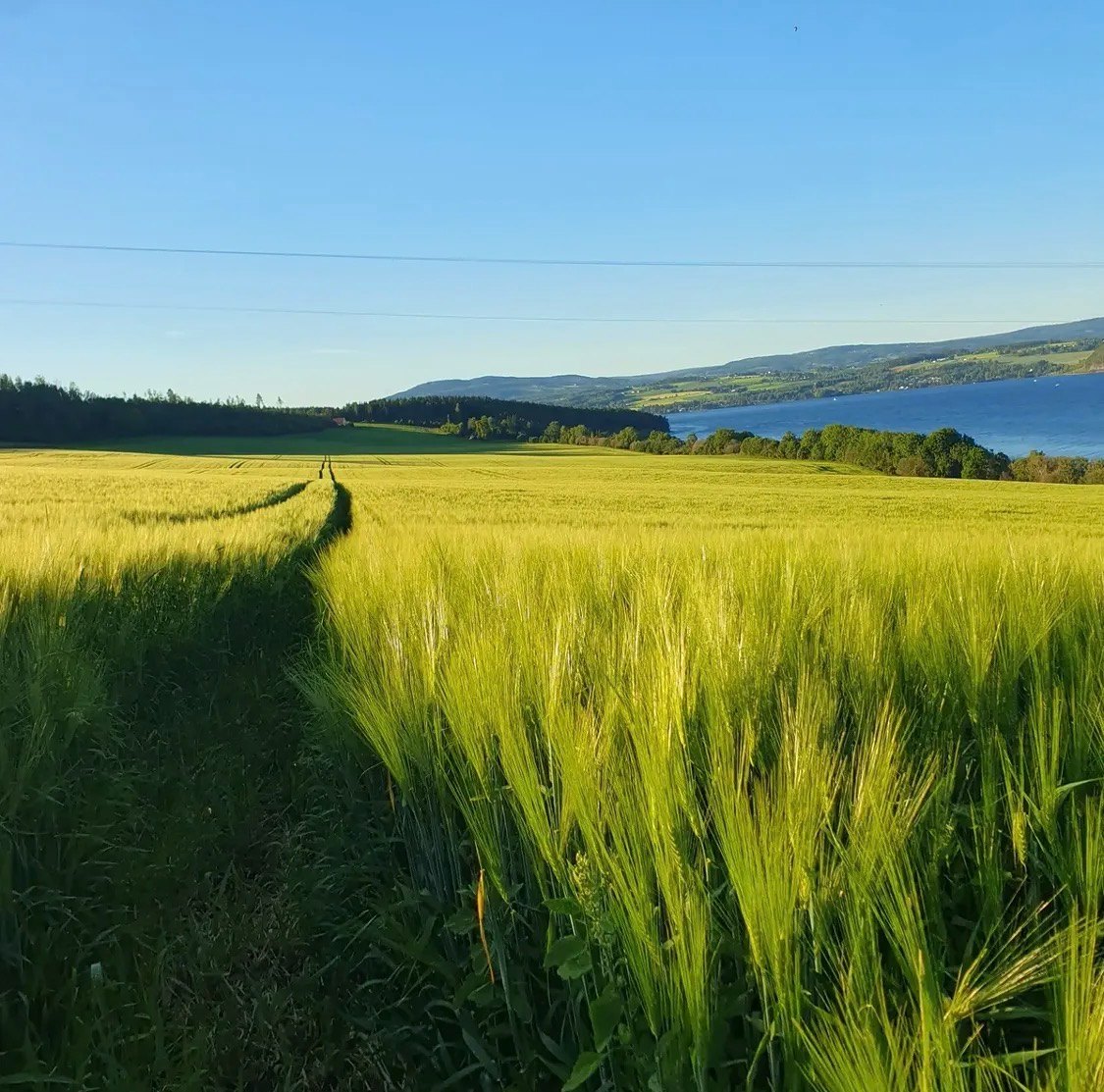
Grefsheim lies on the south-east side of Nes, the peninsula reaching out into Mjøsa, in Ringsaker municipality. The farm grows grain, with catch crops as part of the farming, and includes some 2,500 decares (250 hectares) of forest.
Farming at Grefsheim
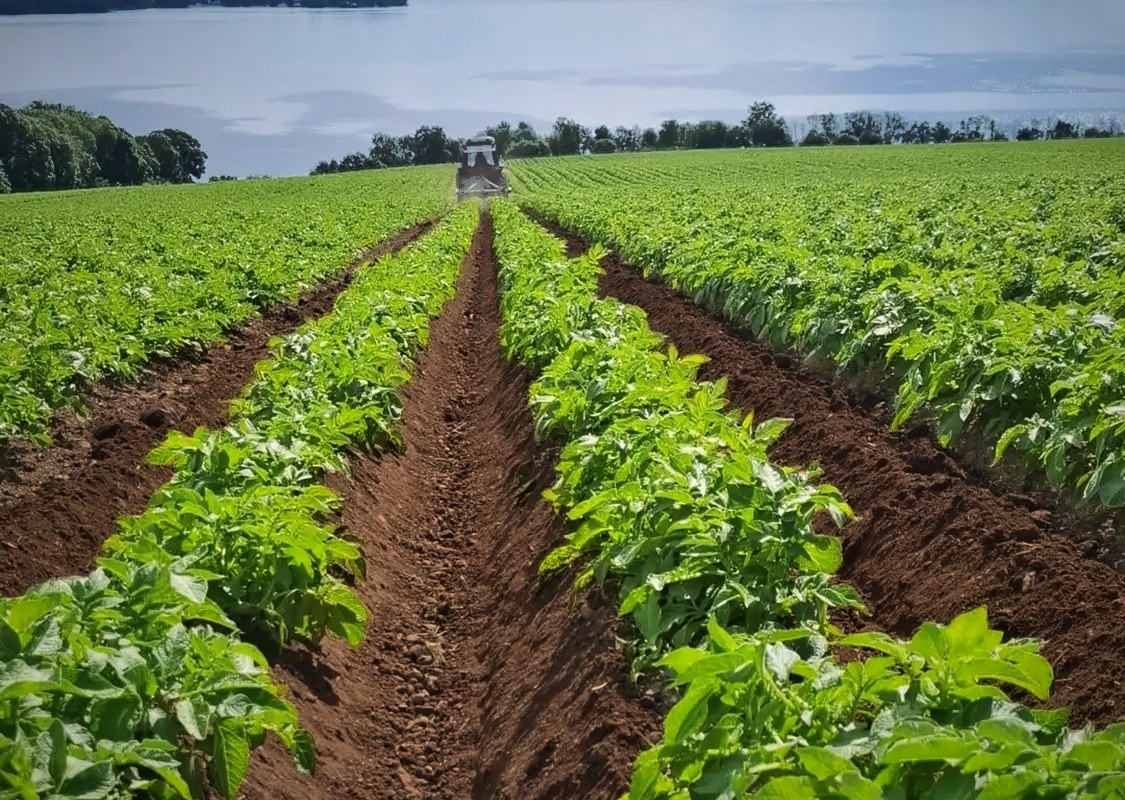
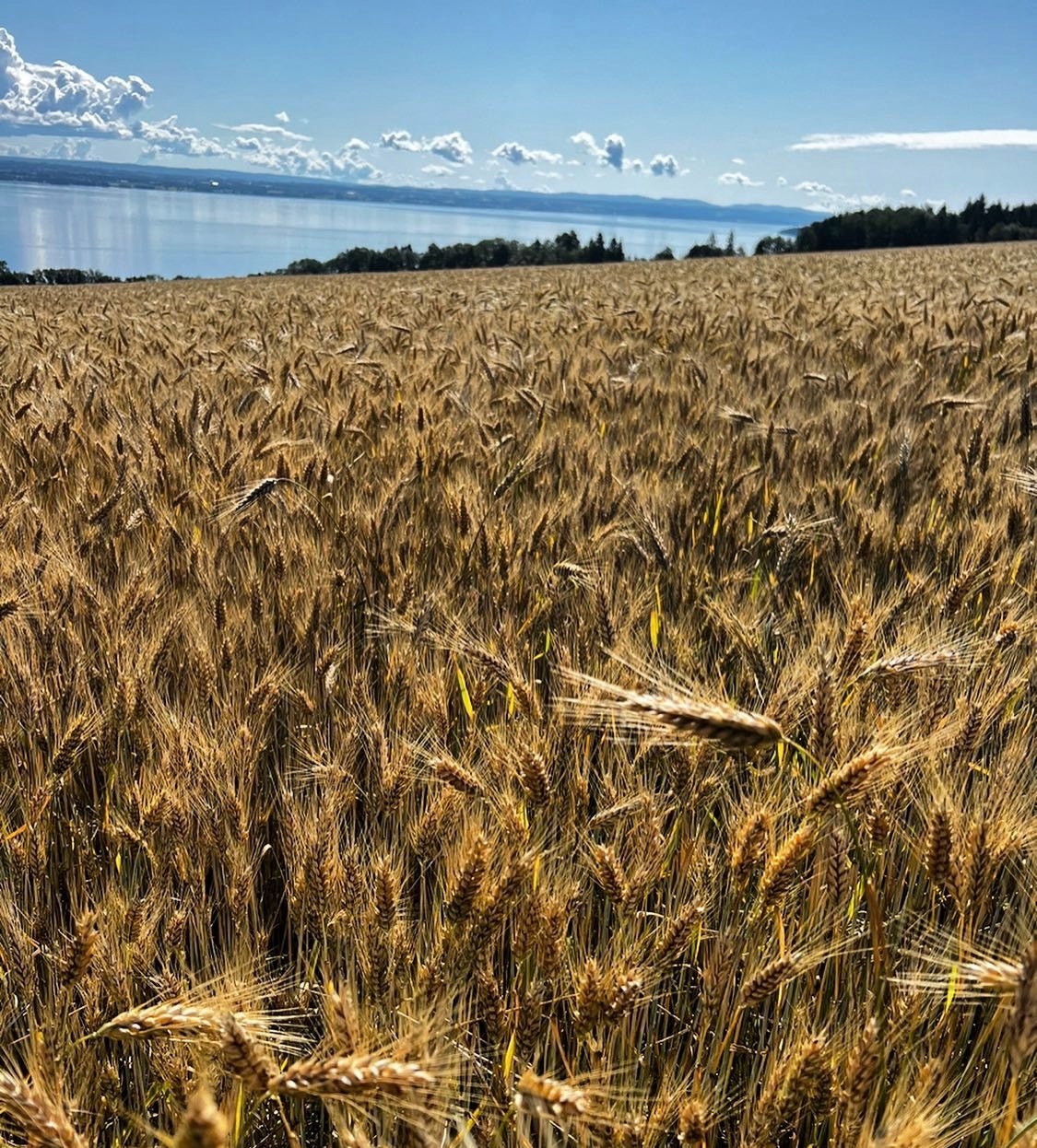
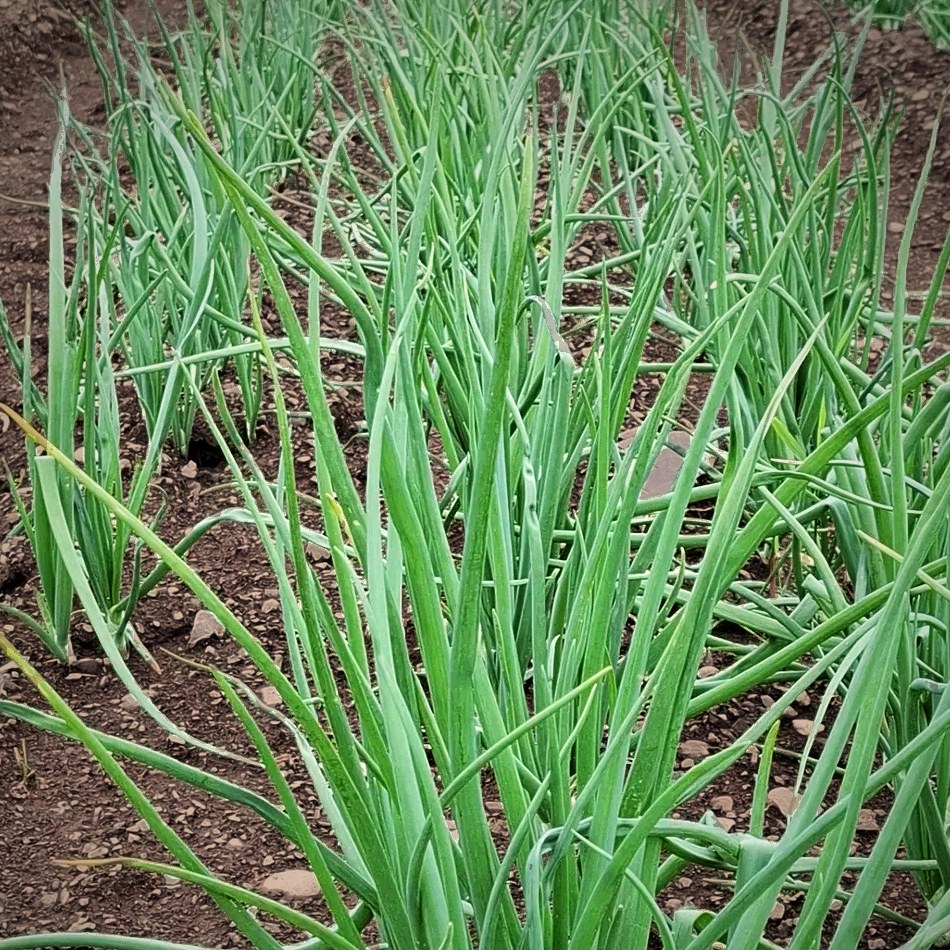
Through the centuries grain has been the constant in Grefsheim's farming. Other crops and kinds of production have come and gone, but grain growing has endured.
The farm has some 1,230 decares of cultivated land, divided into 22 fields. They stretch from around the farmyard down towards Mjøsa and north towards Skauger.
Farming the land well takes knowledge of soil structure, crop rotation and local growing conditions. The 22 fields differ, and the work must be adapted to soil, weather and season. Preserving the soil's productivity over time matters as much as this year's harvest.
Methods have changed greatly, from horse-drawn implements to today's machines and technology. But the fields are still farmed.
What the harvest was like in the 1950s and 60s, with the binder, threshing machine and grain sacks, is told by Tore Mellbye in Harvest at Grefsheim – as I remember it.
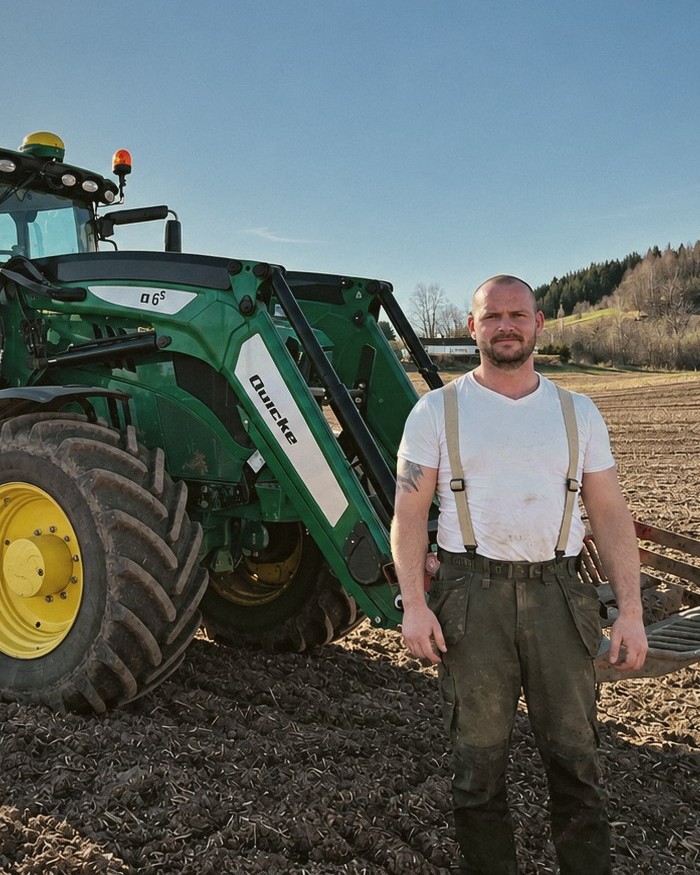
Johan Egeberg Mellbye was given the farm as a confirmation present in 1883, and his descendants own it today. Johan Edvard Mellbye ran the farm from 1980 and handed it over to his daughter Anette in 2014.
Farm manager Uffe Bach In the field during spring work.The forest at Grefsheim
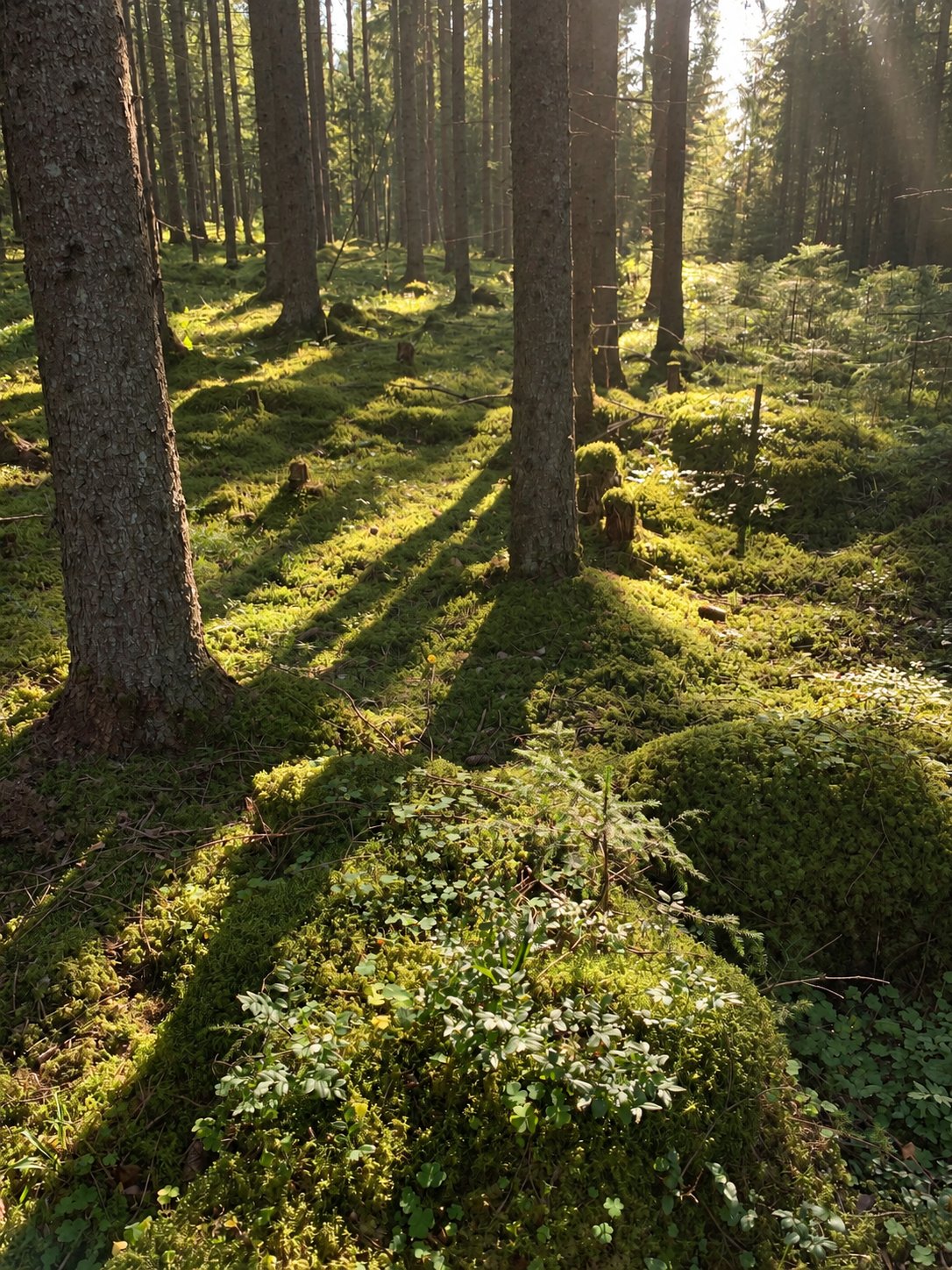
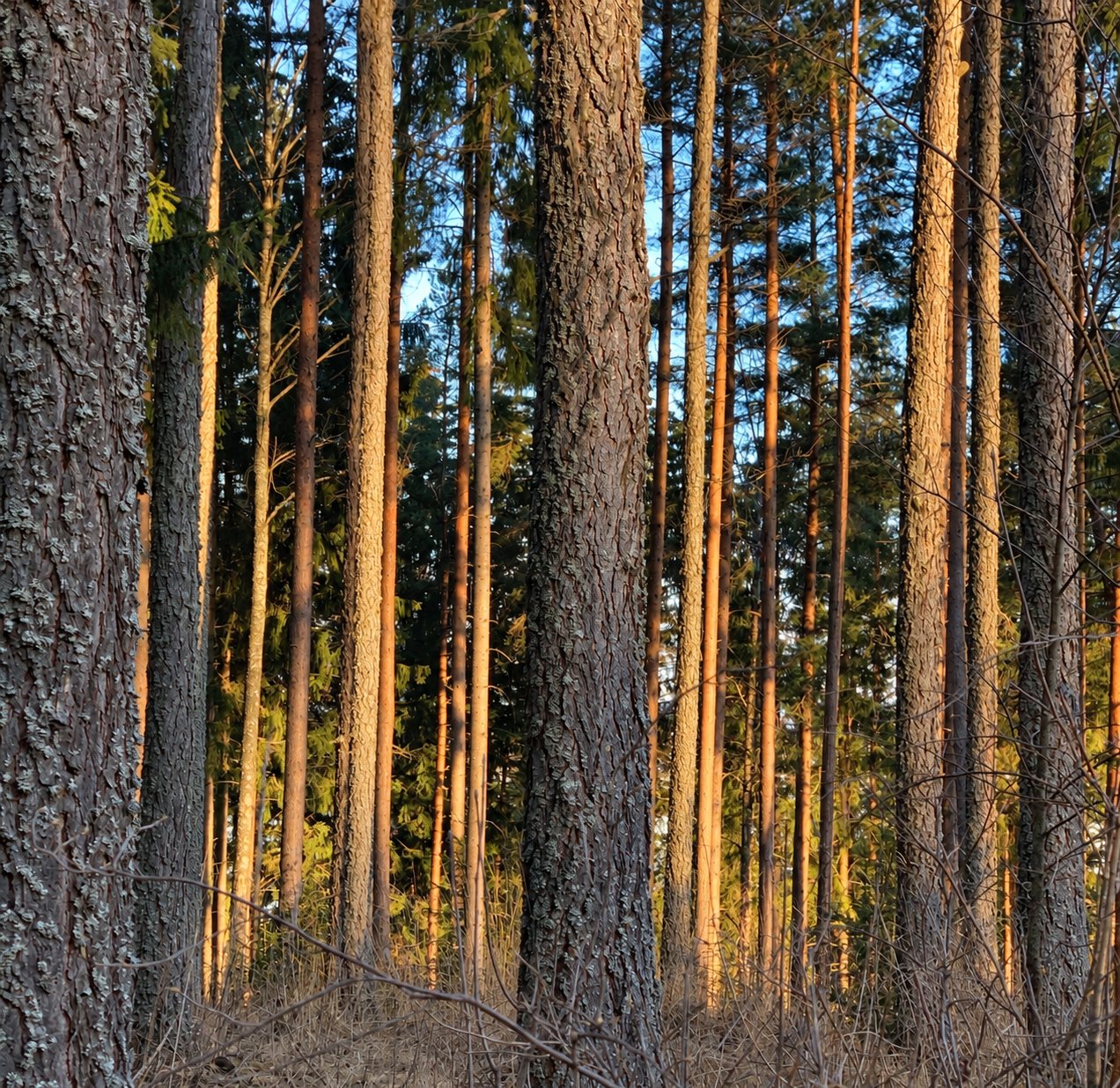
Grefsheim includes some 2,500 decares of forest. Over the centuries it has provided timber for building and sale, firewood for the farm and grazing for livestock. It has been an important part of the farm's economy, and still is.
The forest is spruce, pine and various broadleaves. Forestry includes felling, planting, young-stand care and thinning. Much of the work is about securing the quality of future timber: straight stems, good dimensions and branching determine how the wood can be used and what it is worth.
The forest is managed together with Glommen Mjøsen Skog. It is managed over long time spans: the work done today lays the foundation for harvests decades ahead.
Even the bark had value. Old court records include a case of bark theft in the Grefsheim forest. Bark was once used for tanning hides, among other things, and was much sought after. The case is described in Ole Gjestvang's article «Fra de gamle protokoller - Barketjuveri i Grefsheimskogen» in the yearbook of Nes og Helgøya historielag (1992).
The summer farm at Grimstilen
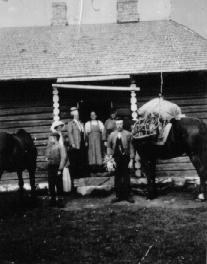
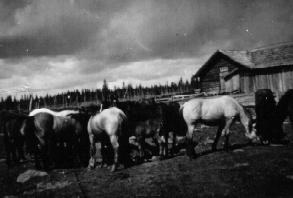
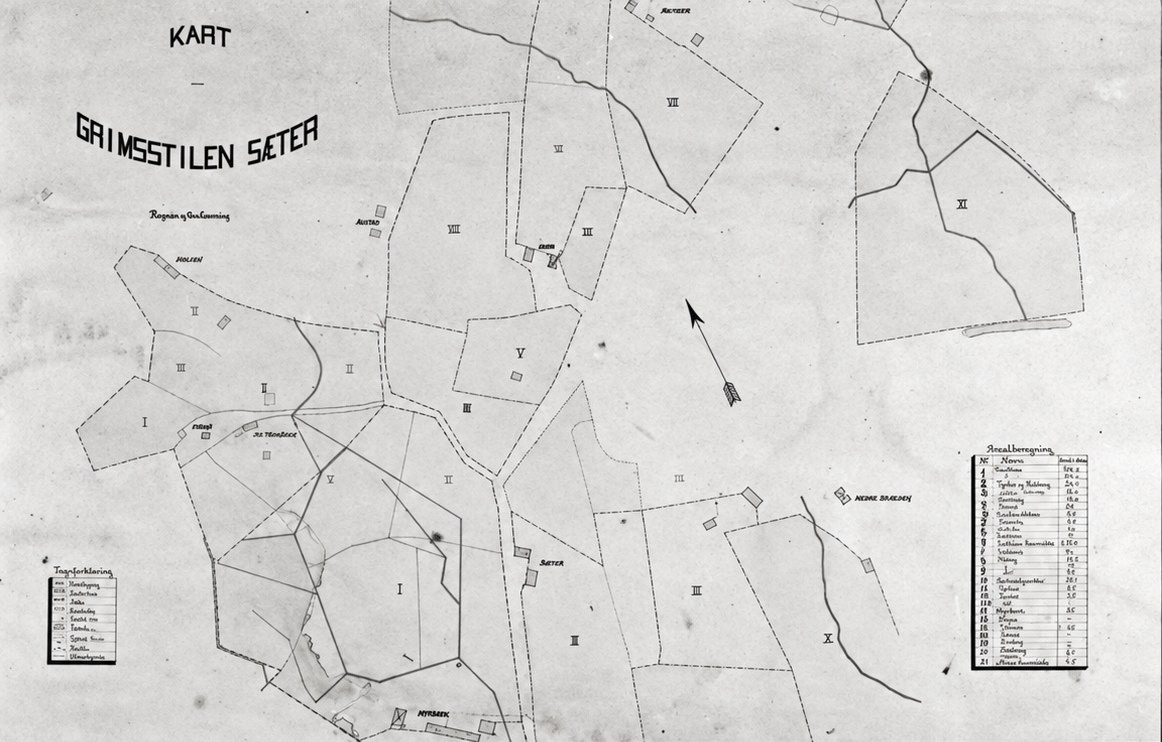
Grefsheim also has a summer farm at Grimstilen in the Ringsaker hills. The farm's livestock used to be sent here for summer grazing, while the dairy folk looked after the animals and the milk.
We do not know exactly when Grefsheim began summer farming at Grimstilen, but a photograph from around 1920 shows the dairy folk in front of the dairy hut. Martin and Petra Rud ran the summer farm from 1916 to 1924. Johannes Tangen and Emelie Mellbye also appear, with the pack horses Nybronen and Gentil.
The summer of 1924 was so wet that the Rud family did not want to carry on.
The summer farm still belongs to Grefsheim. The old dairying has ended, but cows still graze there in summer.
Sources: Anno Domkirkeodden / DigitaltMuseum, inv. no. 0412-00850. Pihl AS, annual reports.
The area as registered in NIBIO Gårdskart. The register defines areas differently from the farm itself, so the figures differ slightly from those above.
- Cultivated land and infield pasture
- 169 hectares
- Forest and outlying land
- 224 hectares
Cultivated land: 132.4 hectares of fully cultivated land and 36.6 hectares of infield pasture. Forest and outlying land: 212.3 hectares of productive forest and 12.1 hectares of other land. In addition, 7.8 hectares of built-up land, roads and water. 401.2 hectares in total. Source: NIBIO Gårdskart, farm nos. 578/1 and 576/5.
The house from the 1830s
The present main house was built in the 1830s, in one and a half storeys with large dormers in the attic. It replaced an older main house, which according to the local history stood until 1850.
Model of the main house as it stands today. It is a simplified representation, not a survey. Open full screen
The fires, the old outbuildings and the dinner bell are described in the history of the farm.